Hajj & Umrah
Explore the origins, rituals, preparations, and profound significance of the Islamic pilgrimages.
Understanding Hajj & Umrah
Hajj and Umrah are sacred pilgrimages performed by Muslims in Mecca, Saudi Arabia. Hajj is obligatory once in a lifetime for those who can afford it and have the physical ability, while Umrah is a voluntary act of devotion that can be performed at any time of the year.
Hajj
Hajj is an annual Islamic pilgrimage and one of the Five Pillars of Islam. It occurs during the month of Dhul-Hijjah, culminating in a series of deeply symbolic rituals.
Umrah
Umrah is a lesser pilgrimage that can be performed year-round. It includes essential rituals like Ihram, Tawaf, and Sa’i, allowing believers to seek spiritual renewal.
Historical Background
The origins of Hajj and Umrah date back to Prophet Ibrahim (A.S.), who, along with his son Ismail (A.S.), built the Kaaba.
Hajj traces its roots to the Prophet Ibrahim (A.S.) and his son Ismail (A.S.), who built the Kaaba as instructed by Allah. This seminal event laid the foundation for what would become the most important pilgrimage in Islam. The Kaaba, located in the heart of Mecca, was constructed as a pure house of worship, free from any form of idolatry, and established as the direction (qibla) toward which all Muslims turn during their daily prayers.
The rituals of Hajj commemorate the faith and steadfastness of these revered figures, particularly the ultimate test of faith when Ibrahim was asked to sacrifice his beloved son Ismail. This moment of supreme submission and trust in Allah's plan is commemorated every year during Hajj and especially during Eid al-Adha, when Muslims around the world remember and honor this act of devotion through the ritual of Qurbani (sacrificial offering). The replacement of Ismail with a ram symbolizes divine mercy and the profound message of sacrifice and obedience in Islam.
In the context of Umrah, while the pilgrimage is considered lesser in terms of the obligatory status compared to Hajj, it shares many of the same spiritual roots and symbolic actions. Umrah, too, involves the circumambulation of the Kaaba (Tawaf) and the walking between Safa and Marwah (Sa’i), acts that echo the steps taken by Prophet Ibrahim (A.S.) and his family. These rituals serve as a powerful reminder of the sacrifices and unwavering faith that underpin the Islamic tradition.
The legacy of Prophet Ibrahim (A.S.) and Ismail (A.S.) not only forms the historical basis for these pilgrimages but also provides a continual source of inspiration for millions of Muslims. The simplicity and purity of the Kaaba’s construction, coupled with the dramatic narrative of divine testing, infuse both Hajj and Umrah with layers of spiritual meaning. Pilgrims embark on these journeys with the hope of emulating the unwavering commitment and trust demonstrated by these great prophets, seeking to renew their own faith and devotion.
Furthermore, the rituals of Hajj and Umrah extend beyond mere physical acts; they are a means to achieve spiritual transformation. Through repeated cycles of cleansing, supplication, and sacrifice, believers are given the opportunity to reflect on their lives, repent for past misdeeds, and reaffirm their commitment to the principles of Islam. This cyclical journey of renewal is central to the identity of the Muslim community, binding individuals across the globe in a shared experience of faith and unity.
Ultimately, the story of Hajj—rooted in the actions of Prophet Ibrahim (A.S.) and his son Ismail (A.S.)—continues to resonate deeply with Muslims today. It reminds them of the importance of faith, obedience, and the willingness to sacrifice for a greater good. Both Hajj and Umrah serve as profound expressions of these values, inviting believers to step away from the mundane and immerse themselves in a journey that bridges history, spirituality, and communal identity.
Prophet Muhammad (PBUH) restored the purity of Hajj by eliminating the remnants of idol worship that had crept into the practices over time. In his lifetime, he re-established Hajj as a pure, monotheistic act of worship dedicated solely to Allah. This monumental reform not only purified the rites but also reoriented the pilgrimage towards its original spiritual purpose.
Through his leadership, Prophet Muhammad (PBUH) set forth clear guidelines for the performance of Hajj. His actions during the Farewell Pilgrimage serve as a lasting example for all Muslims. During this final journey, he meticulously demonstrated the proper conduct, rituals, and ethics required for a successful Hajj, thereby cementing the practices that are followed in modern times.
The transformation initiated by Prophet Muhammad (PBUH) ensured that Hajj became a unifying act of worship, free from the corruptions of idolatry and cultural distortions. The emphasis on monotheism reconnected the pilgrimage to its divine origins and reinforced the message of complete submission to Allah. His Farewell Pilgrimage not only encapsulated the essence of Islamic teachings but also provided a practical model for future generations to emulate, ensuring that the sacred journey remains true to its intended purpose.
Ultimately, the legacy of Prophet Muhammad (PBUH) in reforming Hajj is a cornerstone of Islamic history. It highlights a profound shift towards a more authentic and spiritually enriched practice. The guidelines he established continue to resonate, inspiring millions of Muslims worldwide to approach Hajj with the utmost reverence, dedication, and purity of intention.
Preparing for the Journey
Thorough preparation ensures a smooth and spiritually fulfilling experience.
Travel Documents
- Passport valid for at least 6 months.
- Visa requirements for Saudi Arabia (Hajj/Umrah visa).
- Proof of vaccination (as required).
Packing Essentials
- Ihram garments for men; modest clothing for women.
- Comfortable footwear.
- Toiletries, medications, travel adapters.
- Lightweight umbrella or sun hat.
Financial Planning: Ensure you have sufficient funds for accommodation, transport, and food. Costs can vary significantly depending on your package and personal choices. It’s wise to carry both cash and a card for emergencies.
Spiritual Preparation: Study the rituals in detail before departure. Read about the life of Prophet Ibrahim (A.S.), Prophet Muhammad (PBUH), and the history behind each ritual. This deepens your connection and enriches your experience.
Sacred Landmarks
A glimpse of the holy sites that make Hajj and Umrah so spiritually significant.
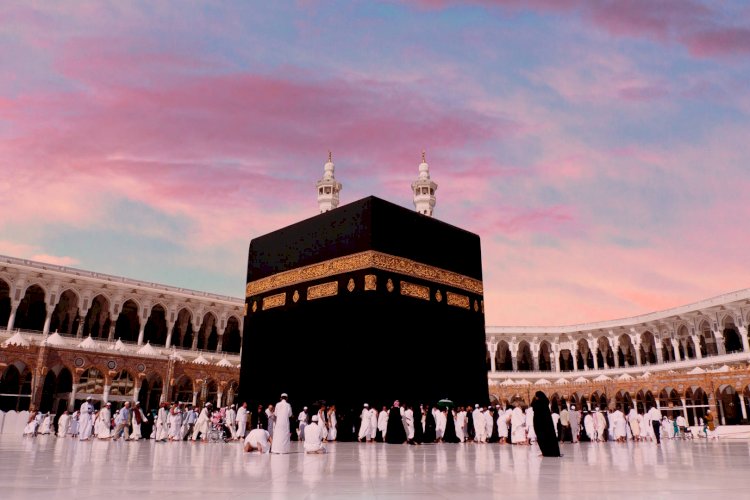
The Holy Kaaba
The heart of the Grand Mosque in Mecca.
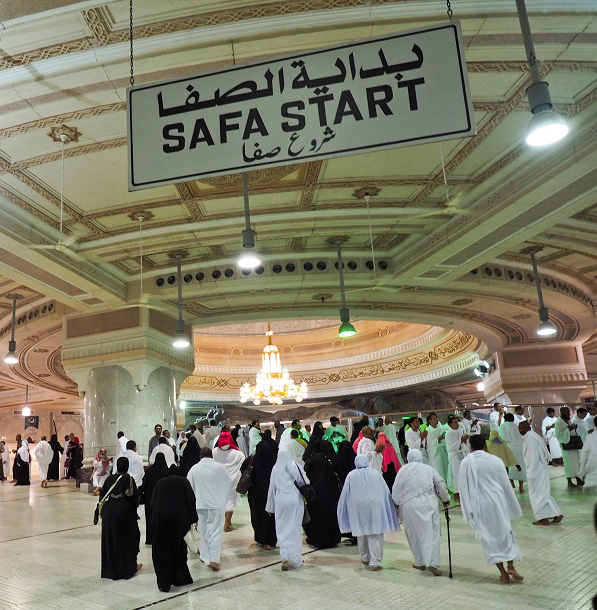
Safa & Marwah
Symbolizing Hajar’s quest for water.
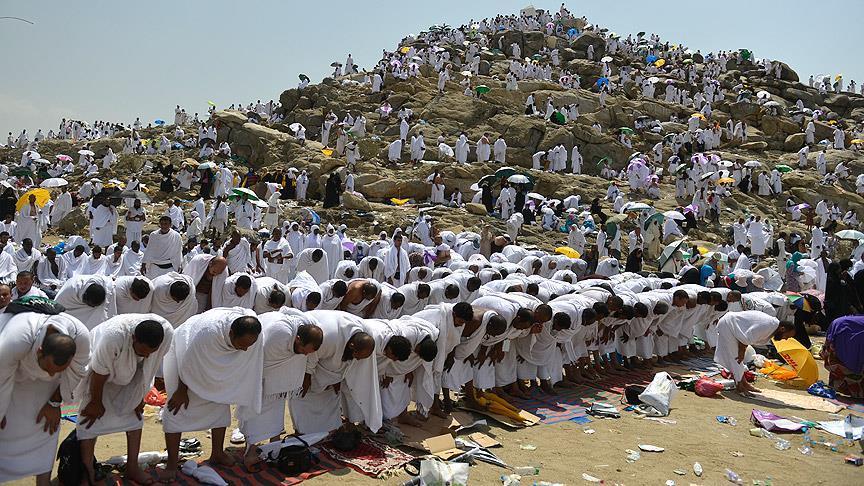
Mount Arafat
The site of the most crucial Hajj ritual.
Day-by-Day Guide for Hajj
Hajj typically spans over 5-6 days in Dhul-Hijjah. Each day has unique rituals.
Day 1 (8th Dhul-Hijjah): Arrival at Mina
Ihram: Pilgrims enter the state of Ihram, making the intention for Hajj. Men wear two unstitched white cloths, while women wear modest clothing.
Travel to Mina: Pilgrims proceed to Mina, set up tents, and spend the day in prayer and reflection.
Spiritual Focus: This day is about mentally and spiritually preparing for the upcoming key rituals. Pilgrims often read Quran, offer extra prayers, and reflect on their intentions for performing Hajj.
Practical Tips: Stay hydrated and get sufficient rest. Mina can be crowded; follow guidelines to ensure a safe and orderly stay.
Day 2 (9th Dhul-Hijjah): Arafat
Travel to Arafat: After Fajr prayer, pilgrims head to the plains of Arafat. Standing at Arafat (Wuqoof) is considered the pinnacle of Hajj.
Duas and Repentance: Pilgrims spend the day making heartfelt supplications, seeking forgiveness, and repenting for past sins.
Significance: The Prophet Muhammad (PBUH) delivered his Farewell Sermon here. It is believed that sincere prayers made on this day are accepted by Allah.
Preparation for Muzdalifah: After sunset, pilgrims leave Arafat for Muzdalifah, where they will spend the night under the open sky.
Day 3 (10th Dhul-Hijjah): Muzdalifah to Mina
Muzdalifah: Pilgrims collect pebbles for the stoning ritual at Jamarat. They perform Fajr prayer before heading back to Mina.
Stoning at Jamarat: Pilgrims stone the largest pillar (Jamarat al-Aqaba), symbolizing rejection of Shaytan.
Qurbani (Sacrifice): Commemorates Prophet Ibrahim’s willingness to sacrifice his son. Meat is distributed to the needy worldwide.
Tawaf Al-Ifadah: After stoning and sacrifice, pilgrims may perform Tawaf Al-Ifadah, a crucial Hajj ritual symbolizing the formal completion of major rites.
Day 4 (11th Dhul-Hijjah): Stoning the Jamarat
Back to Mina: Pilgrims return to Mina and stone all three pillars (Jamarat al-Sughra, al-Wusta, and al-Aqaba).
Reflection: These days are spent in worship, recitation of Quran, and prayer. Pilgrims continue stoning the pillars over the next day(s).
Day 5 (12th Dhul-Hijjah) & Beyond
Final Rites: Pilgrims may leave Mina after stoning if they wish (Nafar Awwal), or stay for one more day (Nafar Thani).
Farewell Tawaf: Before departing Mecca, pilgrims perform a final Tawaf (Tawaf al-Wida) to bid farewell to the Kaaba.
Umrah Guide
Umrah can be performed any time of the year, with fewer rituals than Hajj but immense spiritual rewards.
Ihram
Enter the state of purity and make the intention for Umrah.
Tawaf
Circumambulate the Kaaba seven times, praising Allah.
Sa’i
Walk between Safa and Marwah seven times, recalling Hajar’s quest for water.
Spiritual Significance: Umrah is often referred to as the minor pilgrimage. It's a chance for believers to renew their faith, ask forgiveness, and draw closer to Allah.
Frequently Asked Questions
Click on a question to view the answer.
Testimonials from Pilgrims
Hajj was the most spiritual experience of my life. Every step reminded me of my connection to Allah.
- Ahmed, 45
Performing Umrah gave me peace like never before. The Kaaba is truly a sight to behold.
- Fatima, 33
© 2026 Nadjam travel All rights reserved